
our mission
The Abydos South Project is committed to positively contributing to our constituent communities and to being responsible caretakers of south Abydos.
Given the great privilege to work with Egypt’s precious cultural heritage, our primary priority is to protect the site for the benefit of future generations.
The ASP is committed to the highest standards of archaeological excavation, conservation, site management and research, to thorough record-keeping, and to sharing our data with the wider community to enhance our shared understanding of Egypt’s deep history.
The ASP is dedicated to providing opportunities for Egyptian archaeological professionals to develop and employ their skills.
We seek to create opportunities for students of all nationalities to learn new skills and advance their scholarly careers.
The ASP is also committed to providing economic value to the local communities of Arabet Abydos, Beni Mansour, el-Ghabat, and Al-Balyana via employment and enhancement of the site’s value.
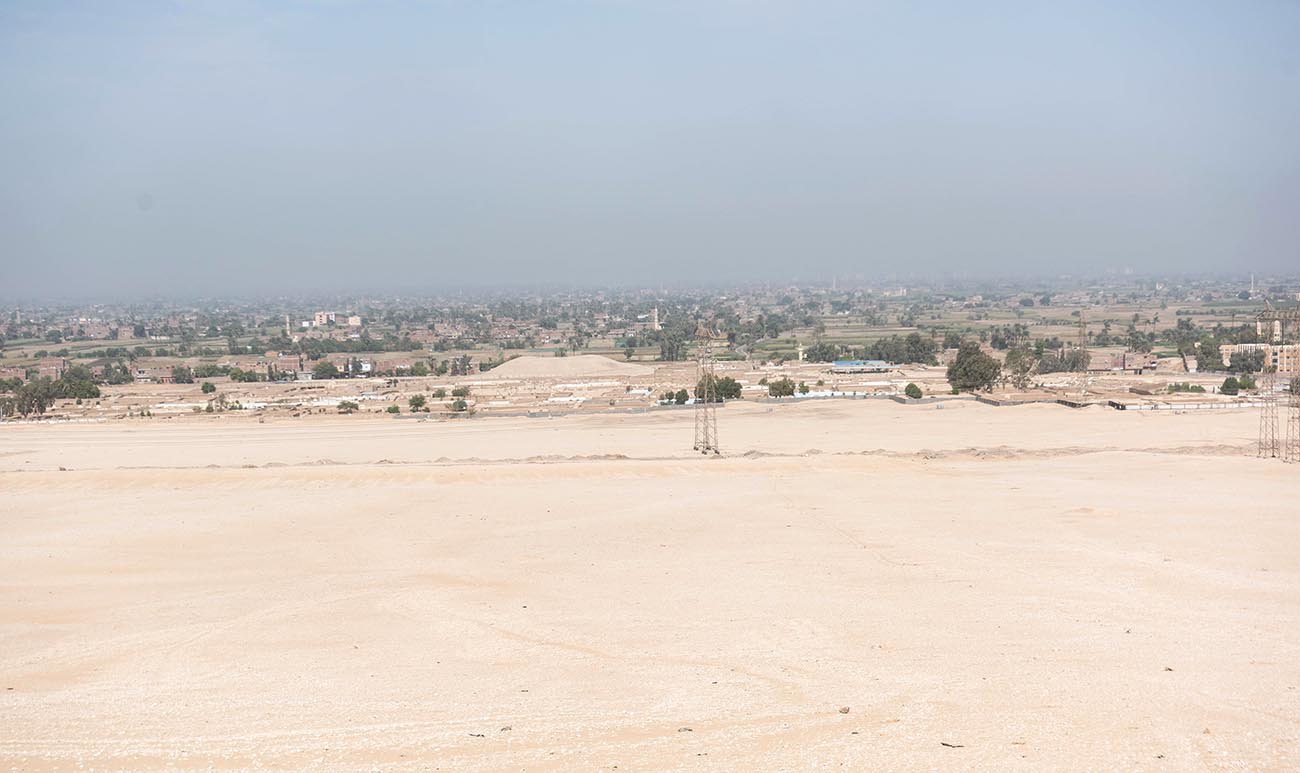
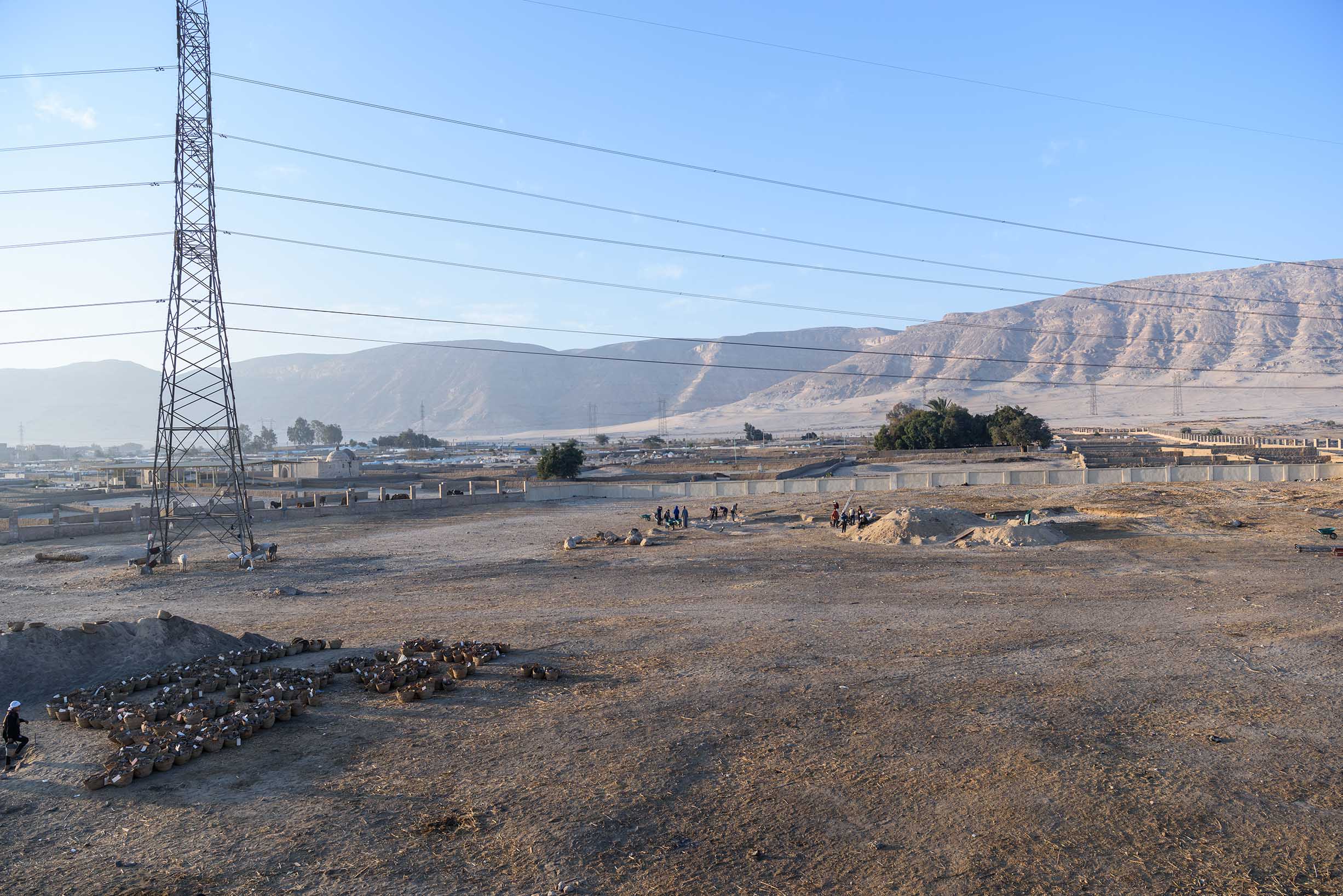
The Abydos South Project history
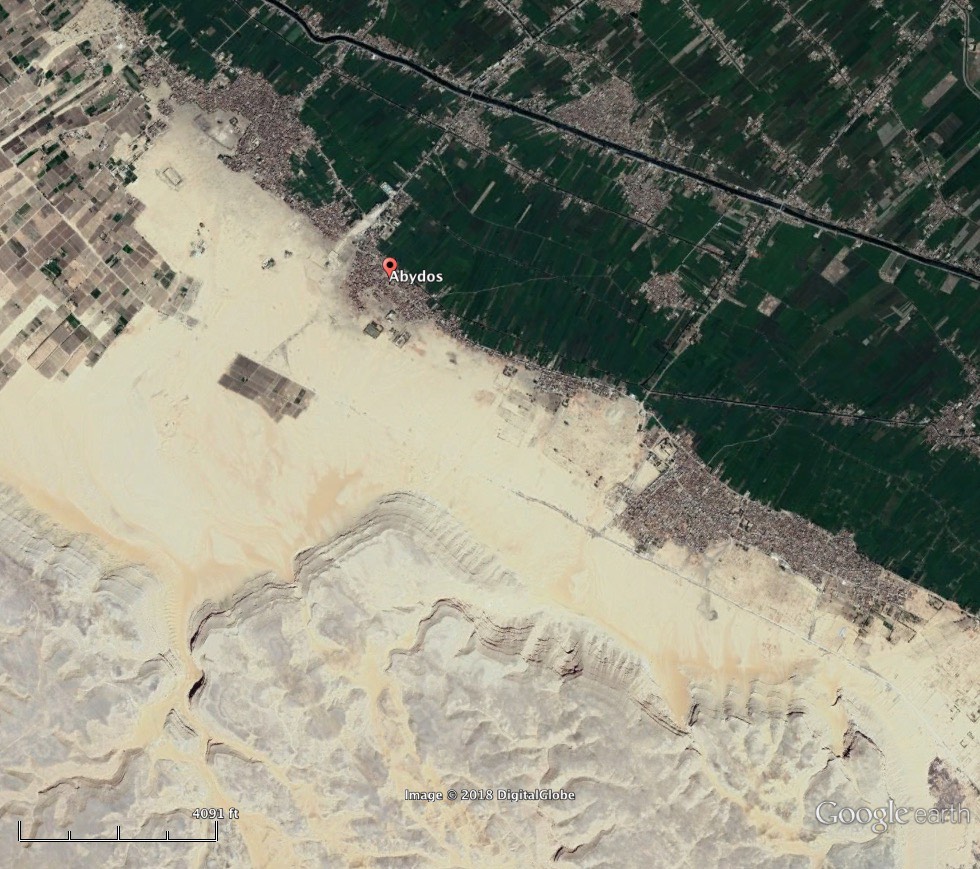
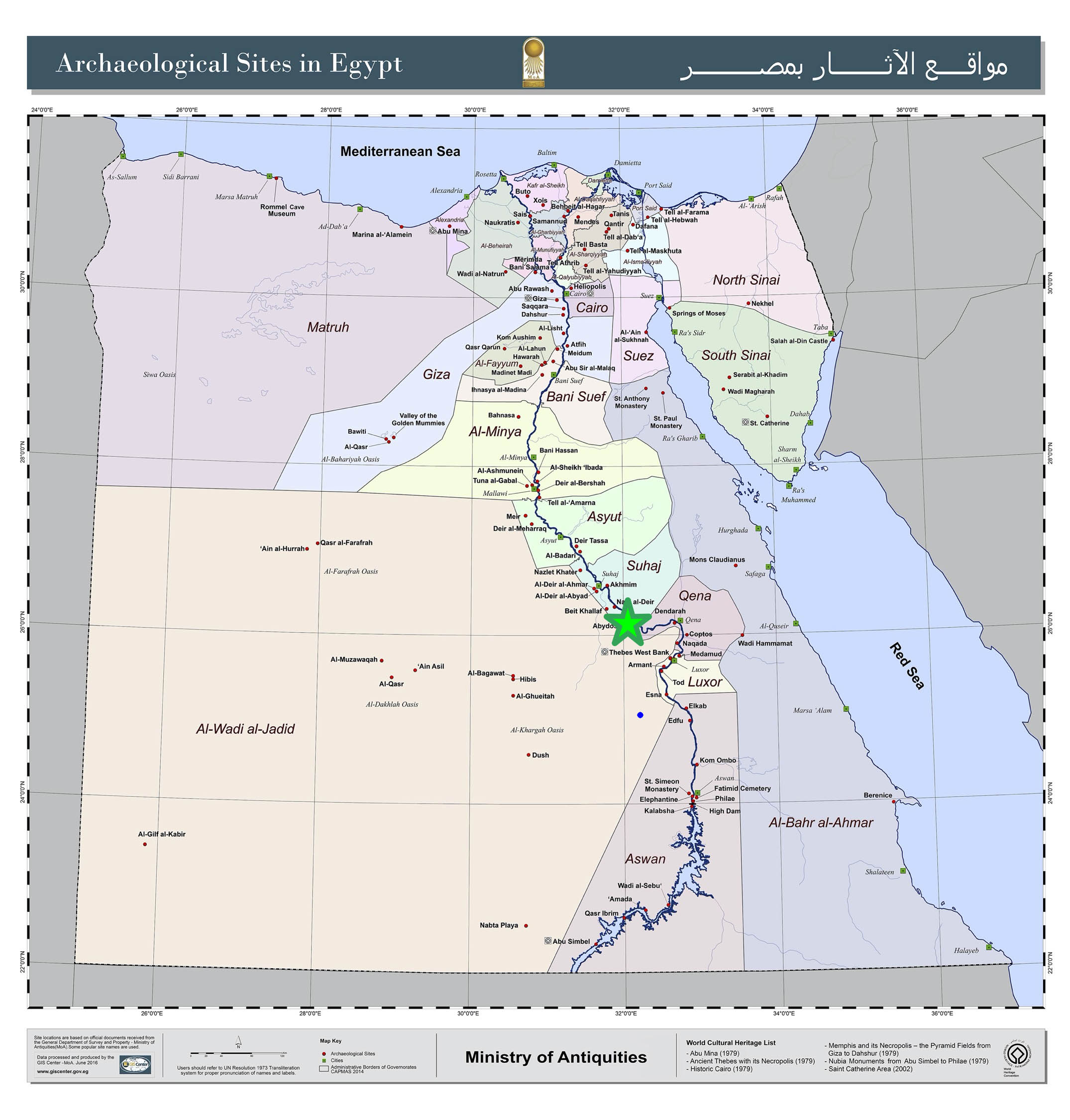
As one of the most important sites of ancient Egypt (see below), Abydos drew attention from the earliest days of archaeological work in Egypt, including in the area of south Abydos where the ASP now works.
The earliest scientific work in south Abydos was conducted by scholars Mace, Randall-MacIver, and Currelly from 1899-1904 on behalf of the Egypt Exploration Society based in the United Kingdom. The area was examined again briefly in the 60s, though largely undocumented. In 1993, Stephen Harvey came to south Abydos and founded the Ahmose and Tetisheri Project, first at the University of Pennsylvania and then later the University of Chicago. The ATP team worked in south Abydos until 2010.
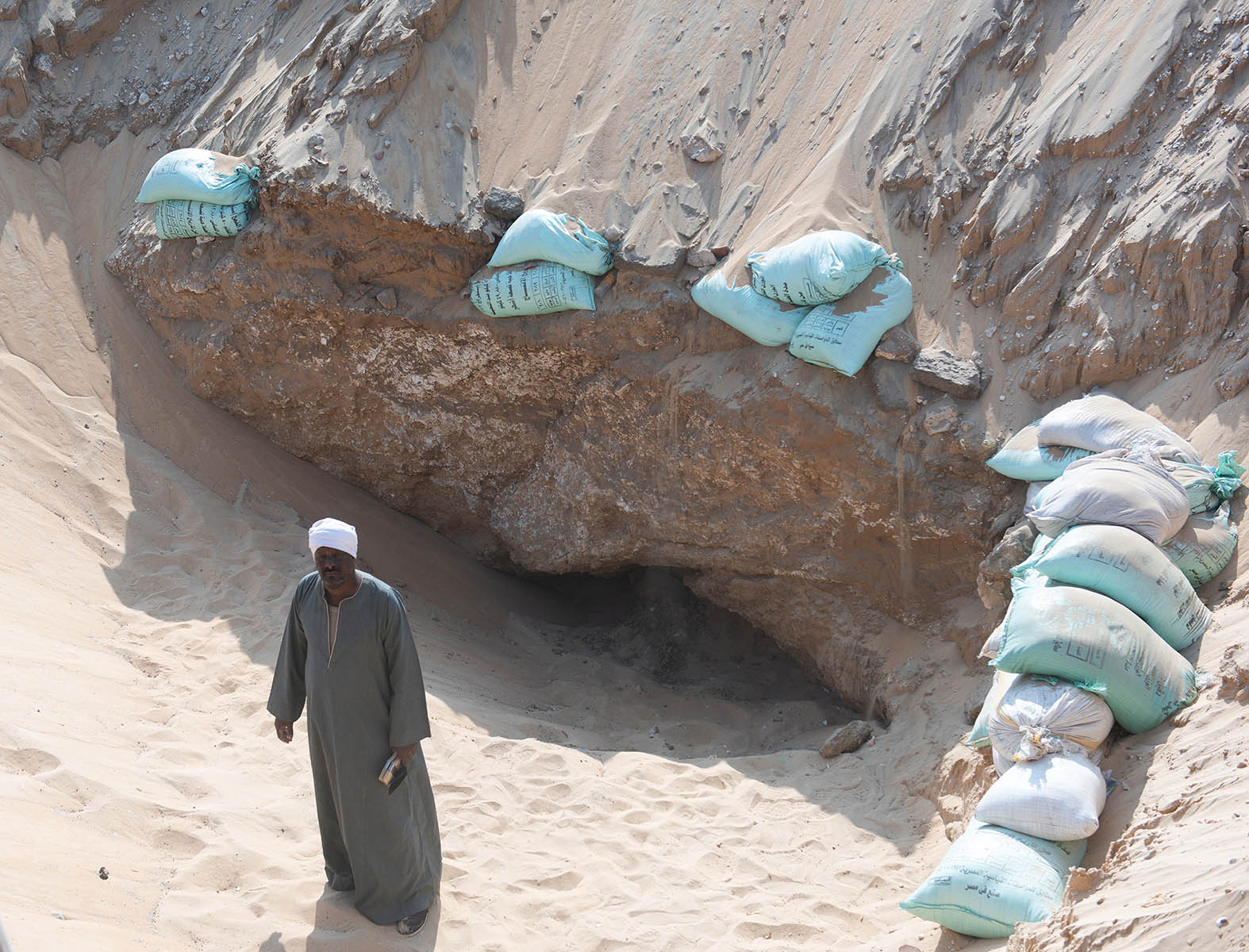
By 2018, the local Ministry of Tourism and Antiquities Inspectors at Al-Balyana and Sohag had grown concerned about protecting south Abydos, both from damage and from land loss to modern reuse, and so they began a new project. Founding members include Ayman Damarany, Mohammed Naguib Reda, Mohammed Abuel-Yazid, and Hazem Salah, as well as surveyor Mohammed Gamal. Their first task was to relocate the tomb (or cenotaph!) of Ahmose, located deep under the low desert in the western section of south Abydos.
After successfully finding and partially clearing the tomb, the team next moved to enhance protection of the site. They received an AEF grant from the American Research Center in Egypt in 2021 to begin building enclosure walls around the southern and westernmost parts of the site.
In late 2021, the original team invited Deborah Vischak, then at Princeton University and working in North Abydos, to join them.
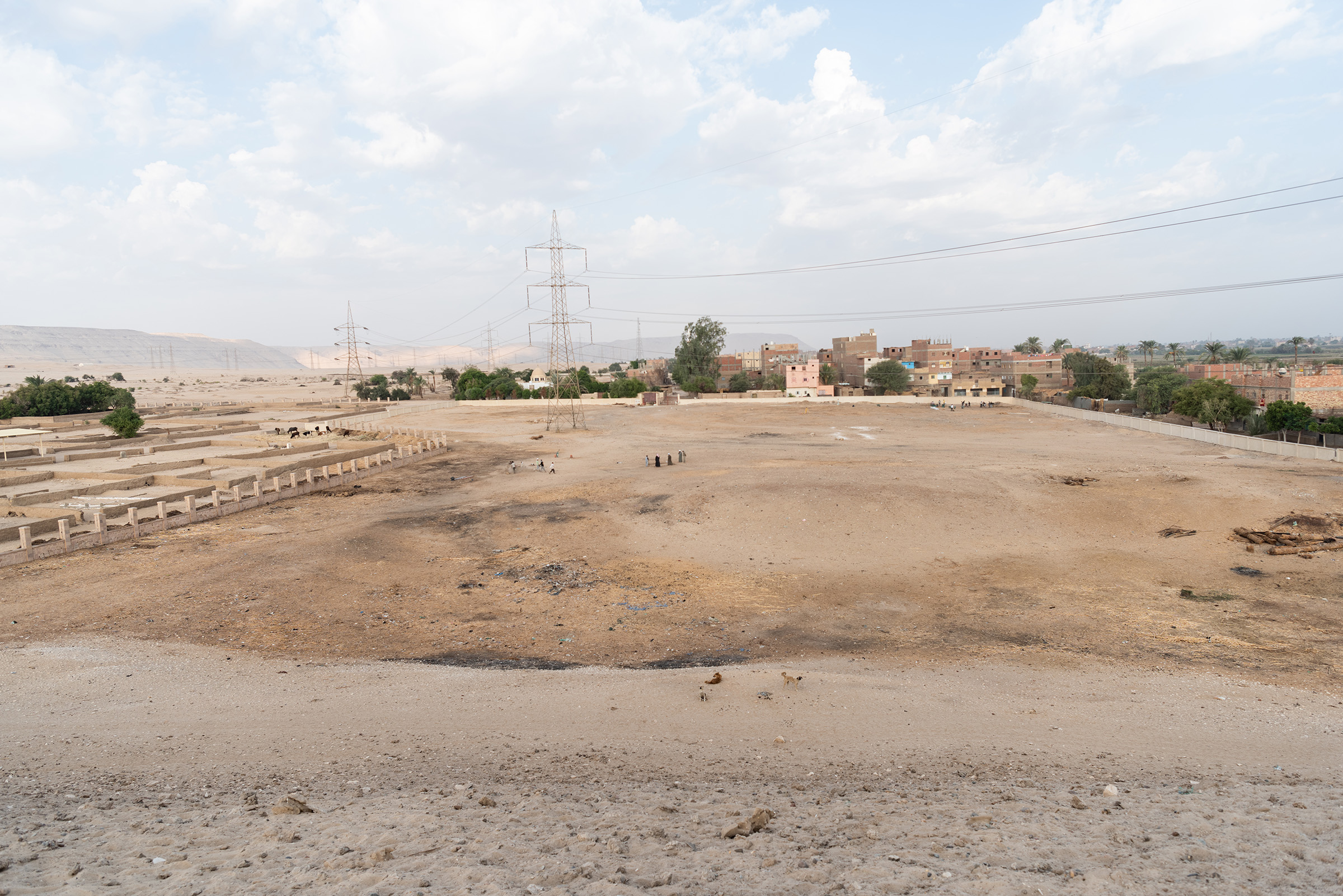
In their first season of collaboration 2022, the team completed work on new enclosure walls around the entire site, as well as removing garbage and debris, building new guard houses, and establishing regular guards across the site.
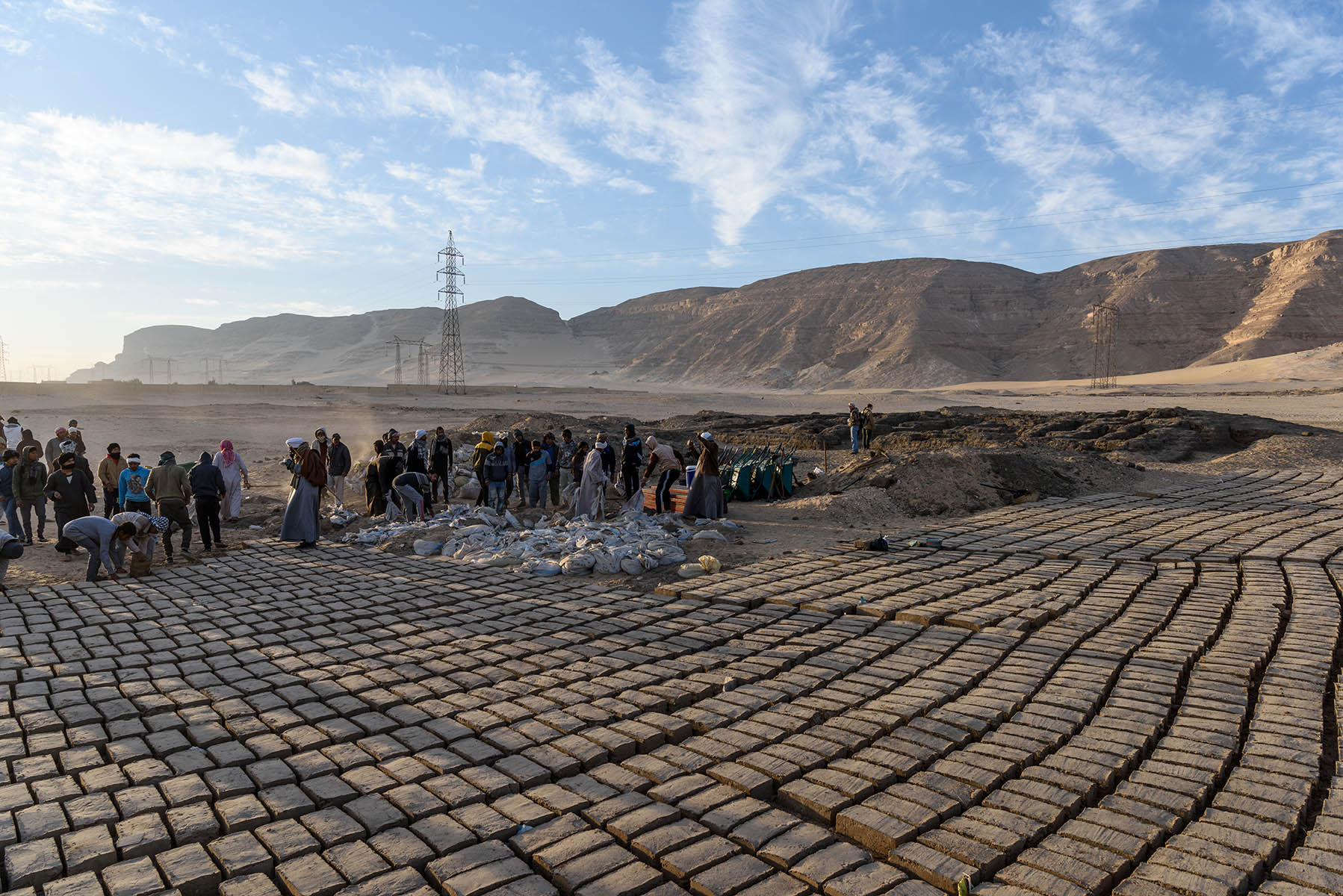
In late 2022, the team began preparations for two major projects, an excavation season in the area of Ahmose’s pyramid, and a conservation project at the mudbrick pyramid of Tetisheri. This work was conducted during the spring and summer of 2023.
In 2024 and 2025, the ASP conducted two short study seasons to process recovered materials, and to prepare for continued work in the field, which will commence in spring 2026.
About ancient Abydos
Abydos was one of the most important sites in Egypt throughout its long history. Its significance began at the dawn of the Egyptian state around 3000 BCE, when a local family first successfully united the country under their single rule. With their newly accessed resources, this line of kings created elaborate burials at their ancestral cemetery here in Abydos. While not as well known as the iconic pyramids in the north, these burials of the first kings of Egypt not only tell us so much about their developing ideas of cultural identity and religious kingship, they also cemented the importance of Abydos for the rest of Egyptian history.
Although the kings of the Old and Middle Kingdoms no longer constructed their funerary monuments at Abydos, the memory of its Early Dynastic history held fast, and Abydos’ identity as a renowned cemetery endured. By the late Old Kingdom (c. 2100 BCE) the original local god Khentiamentiu “the opener of the West”, was syncretized with Osiris, the great Egyptian god of the dead, and Abydos became one of his two main Egyptian homes. To honor his presence, the Egyptians held an annual festival that included a procession from Osiris’ temple near the valley to the old Early Dynastic cemetery in the desert. As centuries had passed, Egyptian mythologizing of their own history led them to identify the tomb of Djer from the 1st Dynasty as the tomb of Osiris himself.
The important nature of this Osiris festival drew widespread attention to Abydos throughout the Middle Kingdom, culminating in the return of a king, Senwosret III, to build royal monuments here once again. Then, after a period of disunity (the Second Intermediate Period), the first king of the New Kingdom, Ahmose, also chose Abydos as the site to build his burial monuments, in a building program devoted to kingship, family, the depth of Egyptian history. These monuments form the core of the ASP project, click here to read more.
Royal building continued at Abydos through the great New Kingdom period and beyond, most evident now in the well-known temple built by Seti I (c. 1250 BCE) that stands at the modern entrance to the site. In ancient times Abydos would have been filled with monuments, a crowded, bustling landscape illustrating the importance of both Osiris and kingship to Egyptian identity.